

There’s a point where jaw pain stops being “just annoying” and starts taking over your day. Eating hurts. Talking feels off. Even yawning becomes something you think twice about. That’s usually when people start hearing about TMJ surgery and wonder if they’re heading down that road.
Surgery sounds intimidating. No one wakes up hoping they’ll need a procedure on their jaw. But sometimes, when everything else fails, it becomes the thing that actually fixes the problem instead of just managing it.
This guide isn’t here to scare you or sugarcoat things. Just a straight look at what TMJ surgery really involves when it’s needed and what you should expect before making that decision.
Understanding TMJ Disorders (And Why They Get Worse)
The temporomandibular joint (TMJ) acts as a hinge that connects the jaw to the skull. The small structure performs multiple functions because it controls talking and chewing, along with breathing movements.
TMJ disorders show different symptoms in each individual. Some people experience a continuous dull pain, while others experience sharp pain and persistent clicking sounds.
Common TMJ symptoms include:
- Persistent jaw pain, which includes tightness
- The production of clicking sounds, as well as popping and grinding noises
- The person experiences problems with mouth movement because they cannot open or close their mouth completely.
- The person experiences headaches and ear pain, which do not follow a normal pattern of symptoms.
- Facial pain that spreads beyond the jaw
The symptoms start with intermittent episodes, which continue until they establish a permanent presence that remains until the person receives treatment. The period when conservative treatments stop working marks the time when TMJ oral surgery begins to be discussed.
When TMJ Surgery Becomes Necessary
Surgical intervention is required for some TMJ conditions, while others can be treated without it. The majority of cases do not require surgical treatment. Dentists and specialists usually try other options first, things like physical therapy, bite guards, medications, or lifestyle changes.
The joint area suffers from actual damage in some instances. The joint suffers from actual damage combined with structural problems in other instances. The situation requires surgical intervention, which functions as a solution.
You might be a candidate for TMJ operation surgery if:
- Pain hasn’t improved with non-surgical treatments
- Jaw movement is severely limited
- There’s visible joint damage or disc displacement
- You’ve experienced facial trauma affecting the joint
- Everyday activities like eating feel difficult or painful
At this stage, it’s not about convenience anymore. It’s about restoring function.
At NJ Center for Oral Surgery, cases like this are handled with a careful, step-by-step approach. No rushing into surgery. No guesswork. Just proper evaluation and planning.
Types of TMJ Surgery
Here’s something a lot of people don’t realize: there isn’t just one kind of TMJ surgery. The treatment depends on how severe your condition is.
Some of the common types of TMJ surgery include:
Arthrocentesis
This is usually the least invasive option. A small procedure where fluid is used to wash out the joint. It helps reduce inflammation and improve movement. Recovery is relatively quick.
Arthroscopy
Slightly more advanced. A tiny camera is inserted into the joint, allowing the surgeon to correct minor issues inside. Still minimally invasive, but more precise.
Open Joint Surgery
This is for more complex cases, such as serious damage, structural problems, or tumors. It involves directly accessing the joint. Longer recovery, but often necessary when other treatments won’t work.
Orthognathic Surgery TMJ
This one focuses on correcting jaw alignment. If your bite or facial structure is contributing to the problem, this surgery addresses the root cause.
Each case is different. That’s why working with an experienced oral surgeon in New Jersey patients trust actually matters more than people think.
What Happens Before the Surgery
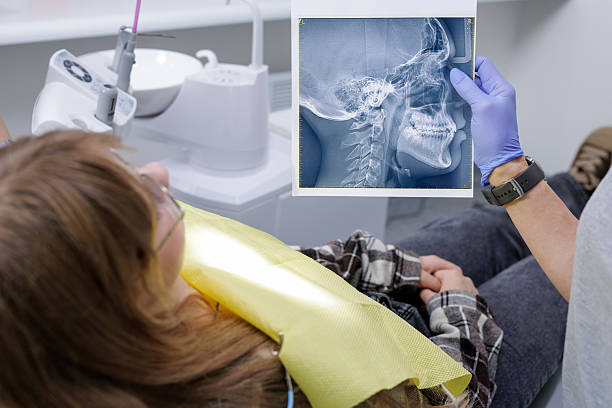
Before anything happens, there’s a full evaluation including imaging, reviewing medical history and asking a lot of questions.
Your surgeon isn’t just looking at your jaw. They’re looking at how your whole system works, your bite, your facial structure, your habits.
At NJ Center for Oral Surgery, the process usually includes:
- Detailed imaging (like CT scans or X-rays)
- A discussion about your symptoms and history
- Reviewing past treatments and what worked (or didn’t)
- Planning the exact surgical approach
You’ll also talk about sedation options. Some people choose IV sedation. Others go with general anesthesia. The goal is simple: keep you comfortable.
Healing and Recovery
Typical recovery expectations:
- Soft diet for a few weeks
- Limited jaw activity early on
- Gradual return to normal movement
- Physical therapy in some cases
The timeline varies depending on the procedure. Arthrocentesis might take days. Open joint surgery could take weeks or even months.
But here’s the thing. If done right, recovery leads to something better: less pain, better movement, and a jaw that works the way it should.
Risks
Every surgery has risks. TMJ surgery is no different.
Possible risks include:
- Infection
- Nerve sensitivity or temporary numbness
- Limited improvement in symptoms
- Jaw stiffness during healing
But these risks are carefully managed, especially when handled by experienced surgeons. That’s why choosing the right place matters more than anything else.
Real Talk: Is TMJ Surgery Worth It?
This depends on your situation. For some people, non-surgical treatments are enough. For others, surgery becomes the turning point.
If your daily life is being affected, if eating, talking, or even sleeping feels off, it’s worth having the conversation.
And not just with anyone. With specialists who actually understand TMJ disorders, facial structure, and surgical precision.
Why Patients Choose NJ Center for Oral Surgery
There’s a reason people trust NJ Center for Oral Surgery with complex cases like TMJ and facial trauma.
- Board-certified oral surgeons with decades of experience
- Advanced imaging and surgical technology
- Multiple sedation options for comfort
- A patient-first approach that actually feels human
We don’t rush decisions. We explain things. And that matters when you’re dealing with something as sensitive as jaw surgery.
If you’re considering TMJ surgery, or even just wondering if you need it, this is where you start.
Final Thoughts
TMJ issues can slowly take over your routine. At first, it’s minor. Then it’s constant. Then it’s something you can’t ignore anymore.
Surgery isn’t the first step. But sometimes, it’s the right one.
The key is understanding your options. Knowing what’s ahead. And choosing a team that knows what they’re doing.
Take the Next Step
If jaw pain is affecting your daily life, don’t keep pushing it aside.
Visit the NJ Center for Oral Surgery and talk to specialists who actually understand what you’re dealing with. Get clarity. Get answers. And if needed, get the treatment that finally fixes it.
FAQs
Is TMJ surgery a major surgery?
TMJ surgery can range from minor to major depending on the procedure. Less invasive options, like arthrocentesis, are relatively simple and quick. However, open joint surgery or orthognathic surgery is more complex and requires a longer recovery. Your surgeon will explain exactly where your case falls.
Is TMJ disorder serious?
TMJ disorders start off with mild symptoms that develop into severe problems when they receive no treatment. Chronic pain and limited jaw movement, together with worsening symptoms, create challenges for normal daily activities. Surgical treatment becomes necessary to restore proper function when underlying joint damage and facial trauma create complex medical conditions.
What methods can you use to treat TMJ problems?
The procedure for fixing TMJ requires assessment of its underlying cause, together with evaluation of its current condition. Non-surgical treatments, which include therapy, splints, and medication, show success in treating many cases. The medical team needs to use arthroscopy and TMJ oral surgery procedures when traditional treatments prove unsuccessful. The medical team aims to achieve three objectives through their work, which include pain relief, restoration of movement, and correction of structural problems.
What is the time period needed for recovery after TMJ surgery?
The recovery process after surgery depends on which surgical method the doctors choose. Patients who undergo minor procedures typically need between three days and two weeks to reach full recovery. The duration of recovery for complex surgeries extends from multiple weeks to several months. The healing process, together with recovery time, requires patients to maintain their post-operative care and dietary restrictions while using physical therapy when needed.