

Because jawbone loss affects dental stability over time, oral health issues go beyond teeth and gums. Bone grafting is a specialized oral surgery procedure in Florham Park that replaces lost bone in preparation for future dental implant procedures. Florham Park residents must comprehend bone grafting techniques in order to obtain dependable outcomes from skilled medical care.
The standard treatment for restoring lost bone material, which resulted from traumatic injuries, gum disease, tooth extraction procedures, and extended tooth loss, needs bone grafting according to established medical guidelines. The successful outcomes of restorative dental treatments depend on having adequate bone structure available for their implementation. The combination of oral surgery advancements and imaging technology progress has created a safe and effective bone grafting procedure that trained professionals can now perform.
Knowing the Goals of Bone Grafting
The procedure of bone grafting works to restore lost bone material through the application of new bone material or the process of bone regeneration at sites where bone tissue has been lost. The oral surgical procedure serves two functions because it protects facial structures while providing essential jawbone foundation for dental implant procedures.
When a person loses a tooth, their body begins to lose jawbone material, which continues for several months without any interruption. Without the natural tooth root to provide stimulation, the bone begins to decrease in size. The process of bone grafting supports bone regeneration by helping the body create fresh bone tissue.
Bone grafting procedures in Florham Park provide patients with three benefits, which include the restoration of bone structure, the protection of their dental health, their facial symmetry, and their proper bite alignment.
When Is Bone Grafting Suggested?
In a number of circumstances, bone grafting may be advised, including:
- Getting ready for dental implants
- Periodontal disease-related bone loss
- Preservation of the socket following tooth extraction
- Jaw trauma or injury
- Jaw abnormalities or congenital defects
Patients who are thinking about getting dental implants are frequently shocked to hear that bone grafting might be an essential first step. The two problems that emerge from insufficient bone volume will impact both implant stability and implant longevity.
Types of Bone Grafting Procedures
Depending on the patient’s needs, oral surgeons employ various kinds of bone grafts. Among them are:
- Autografts: Bone extracted from a different part of the patient’s body
- Allografts: Donor bone processed for safe medical use is known as an allograft.
- Xenografts: Natural sources of bone
- Synthetic grafts: Biocompatible substances intended to encourage the growth of new bone
What to Anticipate when Undergoing Bone Grafting?
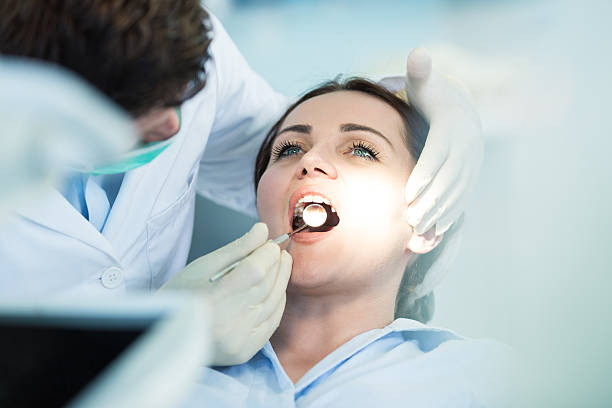
Advanced imaging serves as the initial step in bone grafting procedures because it enables assessment of bone density and structural integrity. The oral surgeons create an individualized treatment plan through their use of precise diagnostic tools.
The surgical team inserts the grafting material into the designated site and proceeds to fasten it in place. The body uses the graft material to develop fresh, healthy bone structures.
Healing and Recuperation Following Bone Grafting
The process of bone grafting recovery becomes manageable through proper treatment methods. Patients are able to manage their symptoms by following post-operative instructions and taking their prescribed medications.
The most important recovery advice requires patients to follow these three main instructions.
- The first recovery instruction requires patients to prevent any pressure from contacting their grafted areas.
- The second recovery instruction requires patients to maintain their dental cleanliness at all times.
- The third recovery instruction requires patients to attend every scheduled appointment.
Patients must allow their bodies sufficient time to recover before they can start further medical treatments.
Why Knowledge Is Important in Bone Grafting Procedures?
The bone grafting procedure requires technical expertise, which includes both surgical precision and special surgical training and practical experience. Both the surgical skill and the surgical planning process, together with the graft material determine the outcome of the procedure.
The NJ Center for Oral Surgery provides patients with access to its established record of delivering outstanding oral surgical procedures. The practice provides complete dental care, which includes dental implants, Teeth-In-One-Day solutions, reconstructive bone grafting, wisdom tooth extraction, in-office anesthesia, and IV sedation.
The expert oral surgeons oversee every treatment stage to deliver uniform patient care, which results in expected treatment results.
The Reasons Florham Park Patients Select NJ Center for Oral Surgery
Patients should have faith in their surgeon before proceeding with any surgical procedure. The NJ Center for Oral Surgery is unique because
- Oral and maxillofacial surgeons with board certification
- Modern surgical and diagnostic equipment
- proficiency in complicated cases involving bone grafting
- Complete implant rehabilitation in one location
- Comfort-driven anesthesia options combined with patient-centered care
Patients looking for cutting-edge oral surgery solutions can trust the center because of its dedication to quality.
Long-Term Advantages of Bone Grafting
More is supported by bone grafting than by dental implants. The treatment serves three vital functions, which include preserving proper jaw function, stopping tooth movement, and safeguarding facial bone structure.
Patients who receive bone grafts within two weeks of their dental procedure will achieve better oral health results, and their subsequent dental restorations will be more effective.
The procedure of bone grafting delivers permanent benefits that extend beyond aesthetic results when it is performed by specialists who conduct proper monitoring after the treatment.
In conclusion
Patients in Florham Park can make decisions that safeguard their long-term oral health by being aware of the significance of bone grafting. The bone grafting procedure serves as the essential base operation, which enables modern oral surgical procedures to stop bone loss and achieve successful results with dental implant treatment. The choice of an expert provider ensures that clients will receive precise results, which will remain secure and produce lasting benefits.
Not sure if bone grafting is needed? A professional evaluation can help determine the best treatment plan for your smile.
Book an Appointment!
FAQ
How long does it take for bone grafting to heal?
Depending on the size of the graft and specific healing factors, healing may take several months. The schedule will be set by your oral surgeon.
Is bone grafting necessary prior to dental implants?
Not all the time. Only when there is not enough bone density or volume to support an implant is bone grafting required.
Are grafts of bone safe?
Yes, when carried out by qualified oral surgeons, bone grafting is a proven and secure procedure.
How long do the effects of bone grafting last?
When properly integrated, bone grafting results can last a lifetime and provide a stable foundation for future dental restorations.